
Introduction
Attendance by employees has gone past the use of paper registers and simple punch machines and now includes digital check-ins, mobile attendance, biometric methods and workflows based on face recognition. Although AI is being considered in relation to attendance review and the detection of anomalies, not all attendance products provide the same features.
Instead of selecting a system just because it is called "AI-powered", organisations should find out what the technology actually does, what kind of evidence it records and how it deals with exceptions. The aim should be to establish an attendance procedure that employees can understand and that HR can administer fairly.
What face recognition attendance does
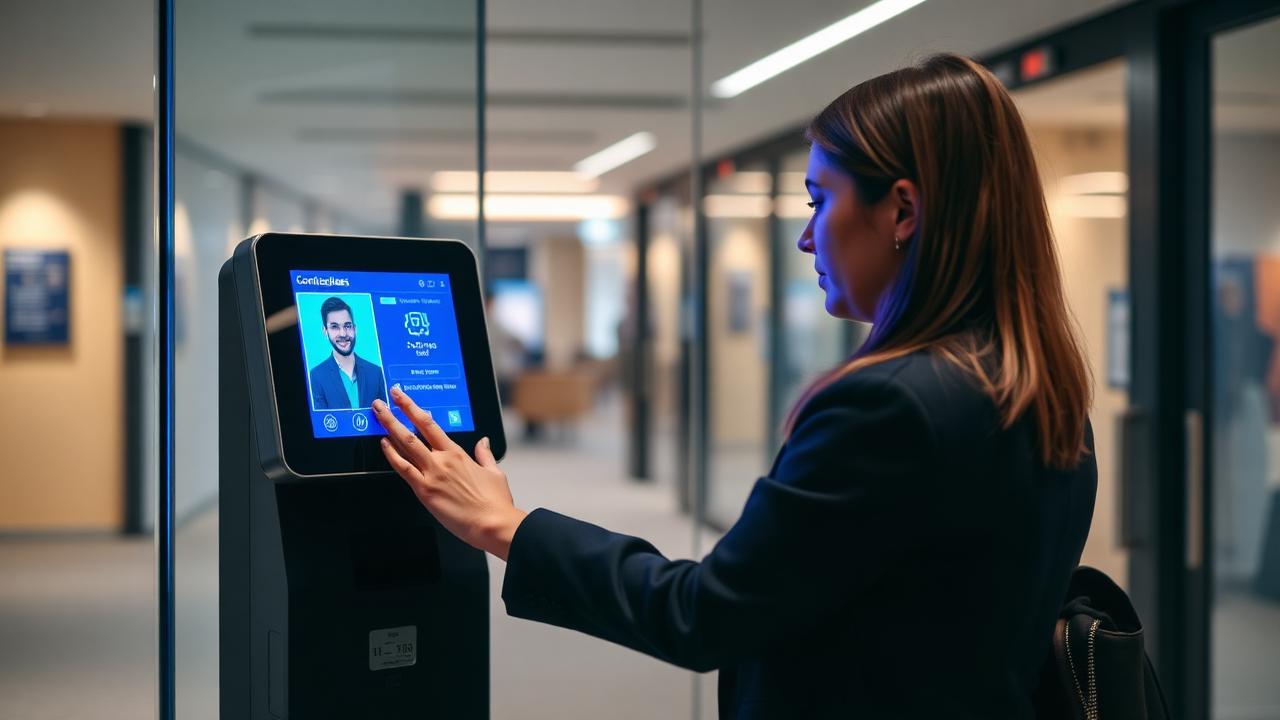
A face recognition attendance procedure checks a captured image against the reference data that has been enrolled in order to verify a person's identity. The process can be carried out on a device that is supported by the system or via another capture workflow that has been set up. In some cases the solution also features liveness checks which are intended to help in detecting an attempt to use a photo or a video rather than a live person.
The individual capabilities should be looked at on their own. Face matching and liveness detection are not interchangeable, and the vendor must clarify which functions are included, how they are tested and what takes place when verification fails.
Where AI may help and where it may not
For different products, AI-assisted tools could be used to spot unusual records for examination, to detect patterns in attendance data or to assist with identity verification. Instead, customers should request to see a demonstration of each capability that is claimed rather than suppose that all of the AI features are included.
The fact that automation shows an employee has worked a full shift, has been productive, or has no valid reason for the unusual entry does not follow. A flag should lead to a fair review rather than be taken automatically as evidence of misconduct. Attendance records require context, well-defined policies, and a procedure for making corrections.
Real-world conditions affect results
The way in which the lighting is arranged, the position of the camera, the quality of the image, the performance of the device, the network connectivity and the manner in which employees handle the camera can all have an effect on a face-based workflow. Companies must test the technology in the real entry environment during busy times and under realistic operating conditions.
Inquire as to how the system deals with a failed match, with an employee whose appearance changes, during a device outage, or when an employee is unable to use the preferred method. It is essential to have a reliable fallback and to establish a documented exception procedure as part of the implementation.
Privacy and responsible use
Since attendance information constitutes personal data, further issues arise when face recognition is used because facial features are employed to verify a person's identity. Before they deploy such systems, organisations must determine what data is collected, why it is required, who will have access to it, where it is stored, for how long it is kept and how requests or complaints are dealt with.
When reviewing the relevant requirements set out in India's Digital Personal Data Protection Act of 2023, together with the rules and commencement provisions that were in effect at the time of implementation, do not assume that merely installing software will result in the organisation being compliant. It is necessary to seek suitable legal and security advice concerning the particular use case, to provide clear information to employees, and to implement data minimisation and access controls.
You should also think about whether a more subtle method of tracking attendance would be adequate for the business's requirements. The right option will vary according to the characteristics of the workforce, the conditions at the site, the risk being dealt with, and the safeguards that the organisation is able to keep.
How to evaluate 1UPAMS
1UPAMS includes the ability to record attendance using face recognition; however, the devices it supports, the verification steps and the operating conditions must be checked when the system is to be deployed. While watching the demonstration, request the team to display the relevant workflow, explain how exceptions are managed and make clear what data is collected.
Conclusion
AI and face recognition may be of some use in meeting certain attendance requirements, but they do not take the place of well-thought-out policy, realistic testing and proper data governance. The problem should first be defined, the proposed solution should then be tested under real conditions and its limitations confirmed before it is introduced.
Discuss your attendance requirements
Tell us about your team size, shifts, locations and reporting needs.
Book a free demo